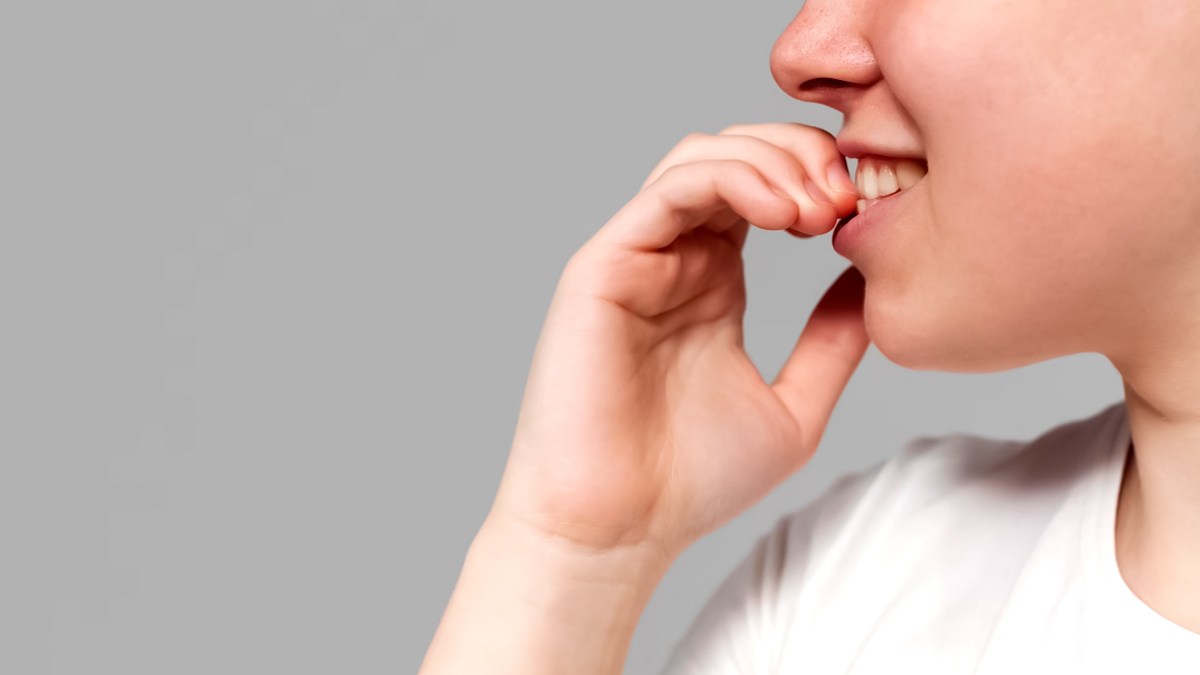
Today, it’s estimated that 1 in 3 people bite their nails daily. This habit has a name: “onychophagia” and affects both men and women. Often considered OCD, or Obsessive Compulsive Disorder, getting rid of it can be a real challenge. Here are our tips to stop nail biting frenziedly.
What is onychophagia?
Onychophagia is more than just a tic; it’s a compulsive habit of repeatedly biting your nails. Often associated with stress and anxiety, this practice can become an automatic reaction to various situations. Understanding this habit in depth is the first step to overcoming it.
Nail biting, often perceived as a simple tic, is actually a much more complex behavior linked to psychological factors. Stress and anxiety are common triggers for this habit. When some people bite their nails in pressured situations, they are adopting an unconscious relief mechanism. Biting their nails is a way to channel accumulated stress. Once these defense mechanisms are integrated, compulsive habits kick in, and nail biting becomes an automatic reaction. Here are some of the common reasons behind this habit:
1. Stress and anxiety: Stress and anxiety are the most common triggers for nail biting. Many resort to this habit to release accumulated tension and provide a moment of psychological relief.
2. Compulsive habits: Some people develop compulsive habits, and nail biting can be one of them. It then becomes an automatic reaction to specific situations, even in the absence of apparent stress.
3. Boredom: Boredom can lead to repetitive behaviors such as nail biting. In the absence of stimulating activities, this habit can fill a void, a lack of something, and provide a momentary distraction.
4. Perfectionism: People who are perfectionistic or anxious may be more prone to biting their nails. The constant need for perfection can generate stress, and nail biting then appears as a response to this internal pressure.
5. Social Copying: Observing nail biting in others can influence some people to adopt the same gesture, especially in a social context. This mimicry can occur unconsciously to reproduce and adapt to the observed behavior.
6. Lack of Awareness: Some people may bite their nails unconsciously, without even realizing it! By becoming an almost mechanical habit, this act can persist even in the absence of triggers.
7. Sensory need: Nail biting can also be linked to a sensory need. Some individuals enjoy the sensation of touch in the simple act of biting their nails.
8. Psychological complications: In some cases, nail biting can be associated with psychological disorders such as obsessive-compulsive disorder (OCD) or other anxiety-related disorders. Suffering from OCD may require the intervention of a mental health professional. If this is the case, don’t hesitate to seek help and talk to qualified people.
What are the dangers of nail biting? Are there any consequences?
The consequences of nail biting go beyond simple aesthetic damage; damaged nails and cuticles and loss of tooth enamel are only the visible part. Psychologically, this habit can lead to a decrease in self-confidence, and poorly maintained nails can cause embarrassment and self-deprecation, contributing to a vicious cycle. Understanding these physical and psychological consequences is the first step to change.
How to stop biting your nails?
Before considering stopping nail biting, it’s essential to identify your triggers.
1. Self-observe: Start by observing yourself carefully. Note the times when you tend to bite your nails. Is it in situations of stress, boredom, frustration, or anxiety? Self-observation can reveal valuable insights into your psychological state.
2. Analyze your emotions: Pay attention to the emotions you experience when you bite your nails. Ask yourself questions about how you feel before, during, and after the act. Nail biting can sometimes serve as an emotional coping mechanism and can help mask feelings such as anxiety, anger, or sadness.
3. Triggering environment: Identify the environment or specific situations that trigger nail biting. Whether watching television, working in front of a computer screen, or during stressful meetings, these chosen moments can give you valuable clues about the reasons for this habit.
4. Habit evolution: Think about how this habit has evolved over time. Have there been particular times in your life when nail biting increased or decreased? Changes in your personal or professional life can have an impact on this habit.
Only by identifying the causes can you permanently eliminate this bad habit.
Our natural tips to stop biting your nails
1. Apply bitter nail polish or an unpleasant substance. To prevent you from putting your nails in your mouth, you can apply bitter nail polish or tea tree or lemon essential oil. This way, as soon as you feel like biting your nails, you’ll end up with a very unpleasant taste in your mouth.
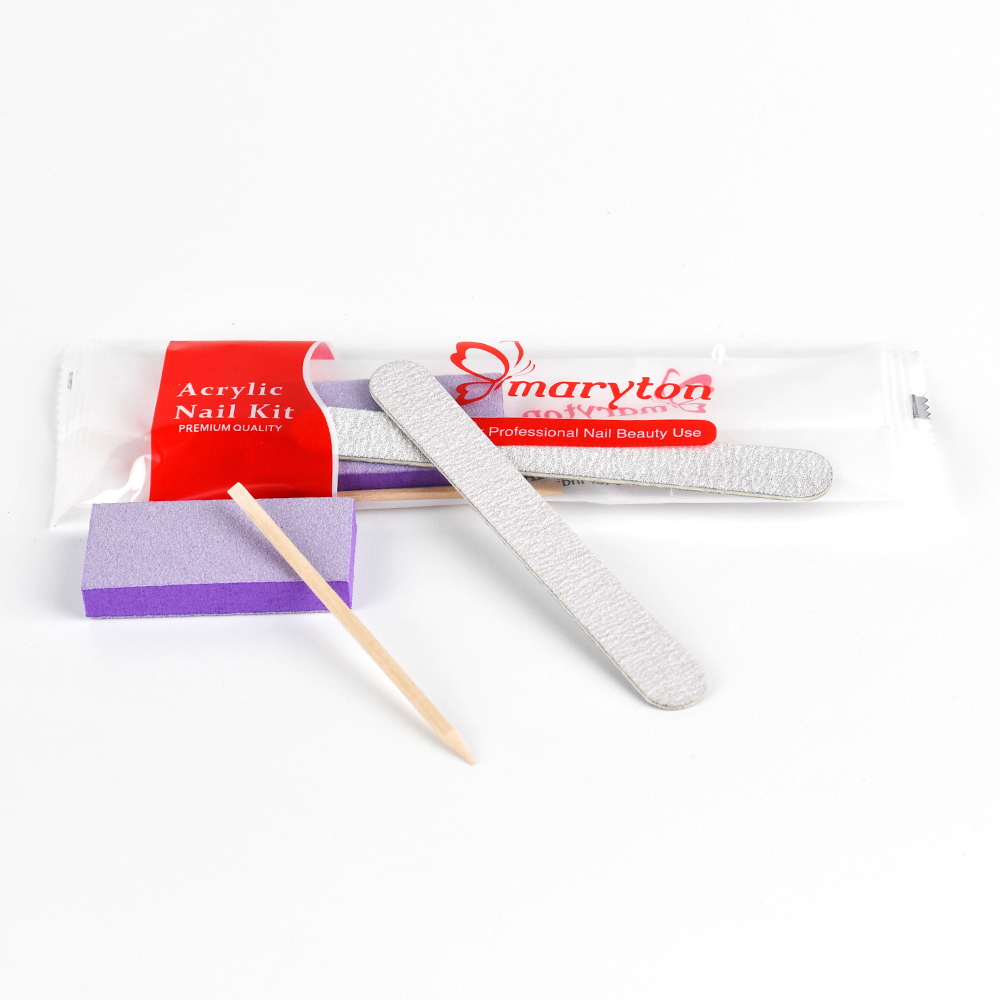
2. Moisturize your hands and nails. Nail biting can also reflect this quest for perfection, and especially the quest for perfect nails. Take care of your nails regularly with a manicure kit. The irrepressible urge to tear off cuticles and excess skin can be alleviated if your nails and hands are well-moisturized.
3. Keep your hands busy. In times of intense stress, nail biting is a coping mechanism to keep your hands and mind occupied. Rather than damaging your nails, why not play with stress balls or Chinese puzzles to take your mind off things?
4. Use strengthening treatments. Using nail strengthening treatments will promote nail growth and strength. Stronger nails are less likely to be damaged by biting.
5. Set goals and reward yourself. There’s no point in trying to stop biting overnight; you’ll only increase your stress. Conversely, note your progress and avoid biting your nails in the morning during less stressful situations. The more time you spend, the more you’ll be able to avoid biting your nails in moments of intense stress.
If these natural solutions aren’t enough, don’t hesitate to seek help from specialized doctors or psychologists. Talking to those around you will help you de-dramatize this act, which isn’t inevitable. By putting your anxieties into words, you’ll become aware of your fears and worries, and that they are likely responsible for your nail biting.
Read also: Your Nail Art Powerhouse: Demystifying the Electric Nail Drill